
The Most Valuable Skill in Aviation Isn't Flying. It's Decision-Making
When people think of skilled pilots, they typically picture someone with exceptional flying ability. A steady hand on the controls, precise throttle management, and perfect coordination come to mind. But ask any experienced aviator, airline safety director, or accident investigator what separates the safest pilots from those who encounter preventable problems, and they will point to something far less visible: decision-making. The ability to make sound choices under pressure, with incomplete information, and under time constraints defines professional aviation far more than the mechanics of operating an aircraft. This insight challenges the common assumption that flying skills alone ensure safety and success in the cockpit.
1. Why Flight Schools Focus on the Wrong Priority
Most aviation training programs dedicate the majority of their curriculum to stick-and-rudder skills. Students log hours practicing takeoffs, landings, climbs, and descents. They master crosswind techniques and emergency procedures. Yet relatively little formal instruction addresses the cognitive process of making decisions in ambiguous situations. This imbalance exists partly because flying skills are easier to measure and teach. An instructor can objectively grade a landing or evaluate altitude control. Decision-making, by contrast, involves judgment calls that depend on context, experience, and competing priorities. Flight schools have traditionally treated decision-making as something pilots absorb through exposure rather than through structured training. The result is pilots who can execute maneuvers flawlessly but who may struggle when faced with scenarios requiring careful problem-solving and risk assessment.
2. Real-World Accidents Reveal the Pattern
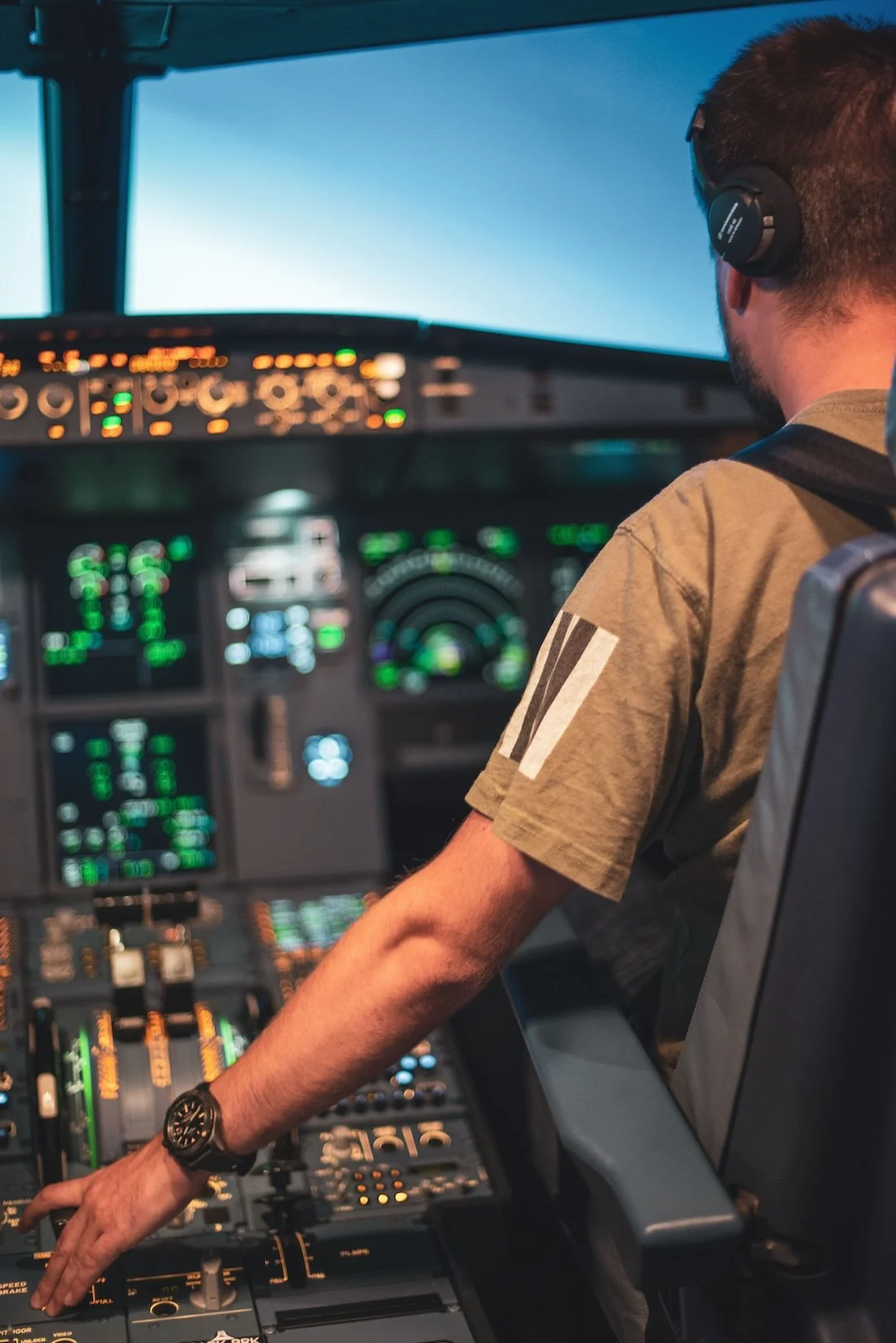
Pexels Image by Quentin Krattiger
Accident investigation reports consistently show that pilot error involved in most aviation incidents traces back to poor decisions rather than lack of flying ability. A pilot might competently fly an aircraft while simultaneously making a series of poor choices that lead to an accident. For example, a pilot might decide to continue flying toward deteriorating weather despite available weather reports, or might choose to take off on a runway too short for the aircraft's performance. These are not failures of flying technique. They are failures of judgment.
The National Transportation Safety Board and similar agencies worldwide have identified decision-making deficiencies as a root cause in incident after incident. Pilots who made the wrong call often demonstrated they had the skills to fly the aircraft safely. What they lacked was the judgment to avoid putting themselves in a dangerous situation in the first place. This pattern repeats across accident categories, from weather-related crashes to fuel exhaustion events, underscoring how frequently poor choices, rather than poor airmanship, drive fatal outcomes.
3. The Pressure Environment Demands Superior Judgment
Aviation operates under conditions that amplify the consequences of poor decisions. Unlike many professions, there is often no second chance to correct a major error in the cockpit. The time available to think is compressed, the stakes are high, and the environment is unforgiving. When an electrical system fails at night over mountainous terrain, the pilot cannot pause to research options or consult with colleagues. They must assess the situation, prioritize the most critical needs, and execute a response, all while managing the aircraft.
Stress and fatigue further degrade decision-making ability. A tired pilot is statistically more prone to poor judgment, even if their flying technique remains intact. Pilots who depend on precise instrument readings during these high-pressure scenarios rely on a reliable calibration service to ensure their instruments accurately reflect real-world conditions, so that the data informing every critical judgment call can be trusted. The pressure environment demands that pilots develop robust decision-making frameworks that function even when cognitive resources are depleted. Flying skills, by themselves, cannot compensate for judgment that fails under stress.
4. Decision-Making Frameworks Save Lives
Professional pilots who prioritize decision-making development learn to use structured approaches to common scenarios. One widely taught framework asks pilots to clearly define the problem, identify the available options, evaluate each option against established criteria, and then commit to a course of action. This method forces deliberate thinking rather than reactive impulse. Another framework emphasizes recognizing early warning signs of deteriorating conditions, so pilots can make a course correction before the situation becomes critical. For example, if weather is not as forecasted or an aircraft system is not performing as expected, the framework encourages prompt recognition and early decision rather than hoping conditions improve. Pilots who practice these frameworks during training internalize the decision-making process, making sound choices more automatic even under pressure. Airlines that invest in decision-making training through scenario-based instruction and line-oriented flight training see measurable improvements in safety outcomes.
5. The Path to Better Aviation Safety
The aviation industry is gradually shifting to emphasize decision-making alongside flying skills. Modern training programs increasingly incorporate threat and error management concepts, which teach pilots to identify risks early and make proactive decisions to reduce exposure. Scenario-based training that simulates realistic pressure allows pilots to practice decision-making in a safe environment before they encounter actual emergencies. Mentoring relationships between experienced and less experienced pilots create opportunities for knowledge transfer about decision patterns and the reasoning behind them. Industry organizations continue to analyze accident data and adjust training recommendations based on findings. This shift does not diminish the importance of flying skill. Rather, it recognizes that technical proficiency is a necessary foundation that must be paired with superior judgment. A pilot who can both fly well and think clearly under pressure represents the standard aviation safety demands.
Conclusion
The most valuable skill in aviation is not the ability to fly an aircraft smoothly or handle all the systems correctly. It is the ability to make sound decisions consistently, even under pressure, fatigue, and uncertainty. Flying skills can be learned and refined through practice, but decision-making requires intentional development, structured frameworks, and real-world scenario exposure. As long as humans operate aircraft, the difference between routine flights and catastrophic accidents will often hinge on the quality of decisions made in the cockpit. The aviation industry serves its safety mission best by recognizing that pilots need training in judgment and critical thinking as much as they need training in stick-and-rudder technique. Investing in decision-making excellence is not just about improving individual pilot performance. It is about building a safety culture where sound judgment is recognized as the foundation of all successful flight operations.