
Flying with a Pet: Everything You Need to Do Before Taking Off
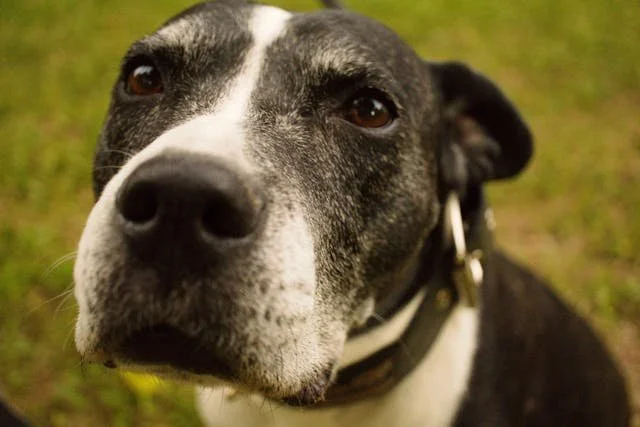
Image from Pexels
Traveling by air with your beloved pet can feel like you're preparing for a major expedition, and honestly, you kind of are. Whether you're relocating across the country, planning an extended vacation, or simply refusing to leave your furry best friend behind, flying with a pet demands serious preparation. The good news? Understanding what's required ahead of time transforms what could be a stressful experience into a manageable journey. From securing health certificates to choosing the right carrier, each step you take before departure directly impacts how smoothly things go once you're airborne. With the right preparation, you'll keep your pet calm, comfortable, and safe while cruising at 30, 000 feet.
Understanding Airline Pet Policies and Regulations
About airline pet policies: they're all over the map. Before you even think about booking that ticket, you'll need to dig into your chosen airline's specific requirements, because what works for one carrier might be a complete no-go for another. Most airlines welcome small pets in the cabin, but there's a catch, your pet and their carrier together typically can't exceed fifteen to twenty pounds. Got a bigger dog? They're heading to the cargo hold, which means you'll be dealing with additional documentation and stricter safety protocols.
Veterinary Requirements and Health Documentation
Your vet becomes your best friend in this process, so schedule that appointment several weeks before departure. They'll give your pet a comprehensive once-over to confirm they're healthy enough to handle the stress of air travel and the pressure changes that come with it. That visit results in something crucial: a health certificate. Airlines typically require this certificate to be issued within ten days of travel, certifying your pet is disease-free, properly vaccinated, and ready to fly. Planning an international trip? You're looking at a much longer checklist. Rabies vaccination records, parasite treatment documentation, and country-specific import permits can take weeks, sometimes months, to secure. Your vet can also weigh in on whether mild sedation makes sense for your pet, though you might be surprised to learn that many professionals actually advise against it. At high altitudes, sedation can cause unexpected complications, which is why most airlines discourage the practice altogether.
Selecting the Right Travel Carrier
The carrier you choose can make or break your pet's flight experience. For cabin travel, you're working with limited real estate, the carrier must slide completely under the seat while still giving your pet enough room to stand, turn around, and stretch out. Airlines publish specific dimensions based on their aircraft types, so measure twice and buy once. Soft-sided carriers often work best for cabin travel since they have a bit of give while still meeting size requirements.
Pre-Flight Grooming and Preparation Essentials
Nobody wants to spend hours in an enclosed space with a smelly pet, not you, not your seatmates, and certainly not your four-legged companion. That's where pre-flight grooming comes in. Trim those nails a few days before you fly to prevent them from snagging on carrier mesh or ventilation holes. A good bath removes dirt and odors, making that small carrier space much more bearable, though you'll want to bathe them at least two to three days out so their coat's natural oils can recover. Brushing is especially important if you've got a long-haired breed prone to matting. All that stress-induced shedding needs somewhere to go, and you'd rather it end up on your brush than all over the carrier. For pet owners who'd rather leave the grooming to professionals before such an important trip, dog groomers in the Woodlands, TX can provide specialized care and expertise to ensure your pet looks and feels their best while preparing for the journey. Don't forget about trimming the hair around your pet's eyes for better visibility and removing any matted patches that could cause discomfort during those confined hours in the air.
Day-of-Travel Best Practices
The day you fly, timing becomes everything. Feed your pet a light meal about four to six hours before departure, enough to keep their stomach from growling, but not so much that motion sickness becomes an issue. Water's fine until about two hours before you leave home. Exercise is your secret weapon here.
In-Flight Comfort and Safety Measures
Once you're settled in your seat, your job shifts to keeping your pet relaxed and secure. Slide that carrier under the seat ahead of you, making sure there's adequate airflow but nothing's going to shift around during turbulence. Your voice can work wonders here, soft, reassuring words help your pet understand everything's okay, even if their surroundings feel strange. Opening the carrier mid-flight is a hard no, both for safety regulations and the very real risk of an escaped pet in a pressurized cabin.
Conclusion
Flying with a pet isn't exactly a walk in the park, but it's absolutely doable with the right approach and thorough preparation. When you take the time to understand airline requirements, secure proper documentation, choose the right carrier, and follow through with smart pre-flight and in-flight practices, you dramatically reduce the stress for everyone involved. Keep in mind that your pet is an individual with their own personality and needs, what calms one animal might not work for another. Consider their temperament, health conditions, and comfort level when making decisions about air travel. With careful planning and a level-headed attitude, you can turn what seems like a daunting challenge into a routine part of your travel routine, opening up countless opportunities for adventures with your cherished companion by your side.